Hrvatski
 Deutsch
 Italiano
 Français
 Українська
 Español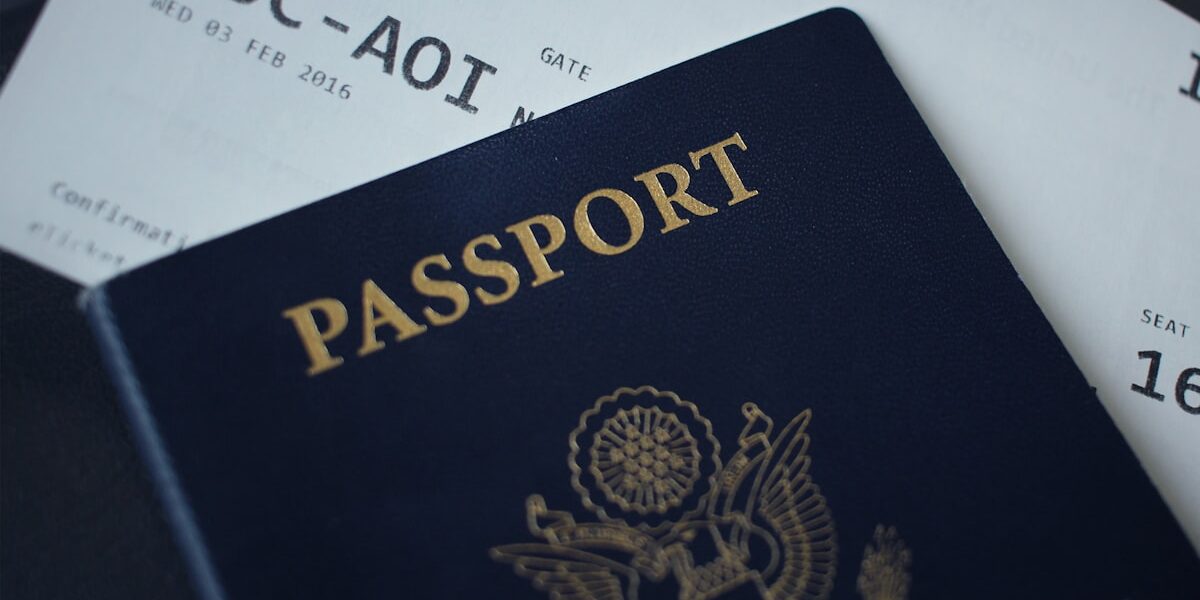
Photo source: Nicole Geri / Unsplash
Your grandparents or great-grandparents left Dalmatia, the islands, Istria or the Croatian Littoral a century ago for Argentina, Chile, the United States or Australia — and you are wondering whether you can become a Croatian, and therefore EU, citizen today. In most cases the answer is yes: since 2020 the Croatian Citizenship Act allows descendants of emigrants to be naturalised without living in Croatia, without a language test and without giving up their current citizenship. The difficulty lies elsewhere — in proving the family line with documents that are often more than a hundred years old, and in a procedure before the Ministry of the Interior that regularly takes more than a year. This guide explains who qualifies, what the Ministry actually asks for, how the procedure runs through your consulate, and which legal remedies exist when your application stalls.
This guide is based on the Croatian Citizenship Act (Official Gazette 53/91 – 138/21), the General Administrative Procedure Act (OG 47/09, 110/21), the Administrative Disputes Act (OG 36/24) and the Ministry of the Interior’s official instructions on the procedure for acquiring Croatian citizenship (updated 15 October 2025).
Summary: what you need to know in 60 seconds
- Descendants of emigrants (Article 11) may be naturalised without residence in Croatia, without the language and culture test and without release from their current citizenship — regardless of how many generations have passed
- An “emigrant” is a person who left the territory of today’s Croatia before 8 October 1991 with the intention of living abroad permanently; persons who moved to other republics of the former Yugoslavia, left under an international treaty or renounced Croatian citizenship are excluded
- Spouses of emigrants and their descendants enjoy the same exemptions (Article 11(2))
- Persons of Croatian origin without residence in Croatia may be naturalised under Article 16 if they prove their Croatian ethnicity and meet the security and legal-order requirement
- Children of Croatian citizens born abroad acquire citizenship by descent (Article 5) if registered before the age of 21; older children generally use Article 11
- Where to file: at the Croatian consulate or embassy in your country; the decision is taken by the Ministry of the Interior in Zagreb
- How long: the Act sets no deadline; the general 30/60-day deadline of the Administrative Procedure Act applies, but in practice decisions take months, often more than a year
- When the Ministry stays silent: written status enquiry, file inspection, reminder letter and an action for administrative silence before the Administrative Court — the Ministry may be ordered to pay the costs
1. Three legal routes to Croatian citizenship from abroad
Article 11 — emigrants and their descendants
Article 11(1) of the Croatian Citizenship Act provides that an emigrant and his or her descendants may acquire Croatian citizenship by naturalisation even if they do not meet the conditions of Article 8(1) points 2 to 4 — that is, without release from their current citizenship, without eight years of registered residence and permanent residence status in Croatia, and without the test of Croatian language, script, culture and social order. What remains is the requirement of adulthood and the requirement of Article 8(1) point 5: respect for the Croatian legal order, settled public dues and the absence of security obstacles.
An emigrant, under Article 11(3), is a person who moved out of the territory of the Republic of Croatia before 8 October 1991 with the intention of living permanently abroad. Article 11(4) extends this to members of the Croatian people who emigrated from the territory of former states which, at the time of emigration, included today’s Croatia — which covers most emigrants from Austria-Hungary and the first and second Yugoslavia. Article 11(5) sets the exclusions: persons who emigrated under an international treaty, who renounced Croatian citizenship, who merely moved to another republic of the former common state, or who did not hold Croatian republican citizenship or local domicile (zavičajnost) in Croatia are not considered emigrants.
Since the 2019 amendments there is no generational limit: great-grandchildren and their children qualify, provided the chain of descent is proven. Article 11(2) adds that a foreign spouse of an emigrant or descendant enjoys the same exemptions.
Article 16 — persons of Croatian origin
A member of the Croatian people without residence in Croatia may acquire citizenship if he or she meets the requirement of Article 8(1) point 5 (Article 16(1)). Croatian ethnicity is proven by earlier declarations of that ethnicity in legal transactions, by its entry in public documents, by protecting the rights and promoting the interests of the Croatian people, and by active participation in Croatian cultural, scientific and sports associations abroad (Article 16(2)). A person whose parents’ Croatian ethnicity is undisputed need not submit such evidence (Article 16(3)). This route matters where the emigrant chain is broken or cannot be documented, but the family’s Croatian identity is well documented.
Article 5 — children of Croatian citizens
A person born abroad to a parent who was a Croatian citizen at the time of birth acquires citizenship by descent if registered at a Croatian consulate or registry office before the age of 21 (Article 5(1)). A transitional three-year window for persons over 21 (Article 5(2)) has, in our reading, expired; such persons today generally proceed under Article 11 as descendants of emigrants.
GOOD TO KNOW: Croatia does not require descendants of emigrants to give up their existing citizenship. Whether your own country allows dual citizenship is a question of that country’s law — most countries of the Croatian diaspora (United States, Canada, Australia, Argentina, Chile, Brazil) do.
2. The documents the Ministry actually asks for
According to the Ministry’s instructions, every application must contain a curriculum vitae stating the reasons for the application, a birth certificate on the international form, a marriage certificate where applicable, proof of your current citizenship, a certified copy of a valid identity document, and a criminal-record certificate from the country of your citizenship and the country of your permanent residence, not older than six months, with a Croatian translation. Minor children are included with their own birth certificate, proof of citizenship and the written consent of the other parent.
For descendants of emigrants the Ministry additionally requires a certified copy of the passport or other public document on the basis of which the ancestor emigrated, and proof of the family relationship with the emigrant — in practice an unbroken chain of birth and marriage certificates from the ancestor to the applicant. For persons of Croatian origin, documents showing earlier declaration of Croatian ethnicity are required (employment or military records, school certificates, registry extracts), evidence of participation in Croatian associations abroad, and — where the applicant relies on the parents’ ethnicity — proof of the parents’ national declaration.
In most cases from South America, North America and Australia the weakest link is the Croatian end of the chain: the ancestor’s birth or baptismal record from a parish or registry office in Dalmatia, Istria, the islands or the Littoral, and proof of emigration. These records exist — in Croatian registry offices, the State Archives and diocesan archives — but locating them, reconciling changed spellings of surnames and obtaining certified extracts requires work on the ground in Croatia.
NOTE: Foreign documents must bear an apostille (or be legalised, depending on the country) and be translated into Croatian by a certified court translator. Criminal-record certificates expire after six months — obtain them last, once the rest of the file is complete.
3. How the procedure runs — and how long it takes
Applicants who have no approved residence in Croatia file their application through a Croatian diplomatic mission or consular office abroad (Article 24(5) of the Act); the consulate receives the file and forwards it to the Ministry of the Interior, which decides at its headquarters (Article 25). The consular fee is paid on filing. The decision is served through the same consulate, and Croatian citizenship is acquired on the day the positive decision is handed over (Article 24a(2)).
The Citizenship Act sets no deadline for the decision. That does not mean there is none: the General Administrative Procedure Act requires a decision within 30 days, or 60 days where an examination procedure is conducted and information is obtained from other authorities (Article 101). In practice, applications from abroad regularly wait for months and often for more than a year, and applicants receive no information unless they ask. The Ministry itself states only that the duration “depends on the complexity of each application”.
4. When the Ministry stays silent: your legal remedies
The expiry of the statutory deadline without a decision is administrative silence, and Croatian law treats it as a legal fact, not as bad luck. The applicant may ask the Ministry in writing about the stage of the procedure and has a statutory right to inspect the file (Article 84 of the Administrative Procedure Act). A reminder letter (požurnica) — a short written request to decide, with the case reference and the date of filing — is a useful, optional step.
If the Ministry still does not decide, the applicant may bring an action for administrative silence before the Administrative Court, at the earliest eight days after the deadline has expired (Article 40(2) of the Administrative Disputes Act). No administrative appeal exists against Ministry decisions in citizenship matters; the court is the direct route. The court will order the Ministry to decide within a set time (Article 117(3)); if the Ministry decides during the proceedings, the case is discontinued and the costs may be ordered against the Ministry. The action does not deliver citizenship — it delivers the decision you are entitled to, which can then be challenged in court if negative. We explain this remedy in detail in our separate guide on delayed citizenship applications.
GOOD TO KNOW: An action for administrative silence is not an automatic step. Before filing, it must be verified that the application was complete, that the deadline has really expired and that the Ministry has not requested additional documents that remain unanswered — in that case the delay is not attributable to the Ministry.
5. What a Croatian lawyer does that a consulate or an agency cannot
The consulate receives your application; it does not build your case, obtain records in Croatia or act when the Ministry is silent. Commercial agencies collect documents but cannot represent you before the Ministry or the Administrative Court. An attorney at law in Croatia can do both: assess your legal basis in a written opinion, retrieve registry and archival records directly from Croatian offices, assemble the proof of descent, prepare the application for filing at your consulate, monitor the case with a power of attorney, and — where the Ministry fails to act — file the reminder letter and the court action in your name. All of this can be done remotely, in English or Spanish, with a power of attorney signed in your country.
Frequently asked questions (FAQ) about Croatian citizenship by descent
Can I get Croatian citizenship through my great-grandparents?
Yes, in principle. Under Article 11 of the Croatian Citizenship Act descendants of emigrants may be naturalised regardless of the number of generations, provided the ancestor left the territory of today’s Croatia before 8 October 1991 with the intention of living abroad permanently and the family line is proven with birth and marriage records.
Do I have to speak Croatian or live in Croatia to qualify as a descendant of emigrants?
No. Article 11 expressly waives the requirements of residence in Croatia, of the language and culture test and of release from your current citizenship. You must be an adult, respect the Croatian legal order, have no outstanding public dues in Croatia and present no security obstacles.
Do I have to give up my current citizenship?
Not under Croatian law — descendants of emigrants are exempt from the release requirement. Whether your own country permits dual citizenship depends on its law.
Where do I file the application if I live abroad?
Through the Croatian embassy or consulate in your country (Article 24(5) of the Citizenship Act). The Ministry of the Interior in Zagreb decides and serves the decision through the same consulate. Citizenship is acquired on the day the positive decision is handed over.
How long does the Croatian citizenship procedure take?
The Citizenship Act sets no deadline, so the general 30/60-day deadline of the Administrative Procedure Act applies. In practice decisions on applications from abroad take months and often more than a year. Once the statutory deadline has expired, legal remedies for administrative silence are available.
My application has been pending for over a year. What can I do?
Request written information on the stage of the procedure, inspect the file, send a reminder letter and, if the Ministry still does not decide, bring an action for administrative silence before the Administrative Court; the court orders the Ministry to decide and may order it to pay the costs.
Can I hire a Croatian lawyer for the citizenship procedure if I do not speak Croatian?
Yes. The Law Office of Toni Primorac in Rijeka represents descendants of emigrants and persons of Croatian origin from the United States, Canada, Australia and South America in proceedings before the Ministry of the Interior and the administrative courts, obtains records from Croatian registries and archives, and communicates with clients in English and Spanish; a power of attorney can be granted remotely.
Conclusion: the law is on your side — the evidence and the follow-up are the work
Croatia has opened the door to its diaspora: descendants of emigrants may become citizens without moving, without a language test and without renouncing anything. What stands between most applicants and a passport is not the law but the evidence — a century-old record in a Croatian parish or registry — and a Ministry that decides slowly and communicates little. Both problems are solvable from Croatia: the records can be found, and the silence can be answered with the remedies the law provides.
About the author — Law Office of Toni Primorac
Attorney Toni Primorac heads the Law Office of Toni Primorac, based in Rijeka, Croatia, with a particular focus on administrative law and administrative disputes, immigration and citizenship law, and civil litigation. The office represents clients from the Croatian diaspora before the Ministry of the Interior and the administrative courts throughout Croatia and communicates with clients in English and Spanish.
Exploring Croatian citizenship by descent? Start with an assessment of your case
Primorac Legal supports descendants of Croatian emigrants at every stage:
- written assessment of your legal basis (Articles 5, 11 or 16) and of the evidence you already have
- retrieval of birth, marriage and citizenship records from Croatian registries and archives; proof of emigration and of the family line
- preparation of the application for filing at your consulate and coordination of translations and apostilles
- monitoring of the case before the Ministry of the Interior; status enquiries, file inspection, reminder letters
- action for administrative silence and challenge of a negative decision before the Administrative Court
- after the decision: registration in Croatian registers, OIB, passport, citizenship for minor children
Our office is at your disposal to assess your case and the strategy to pursue. We communicate with clients in English and Spanish. Contact us with confidence — we will assess your situation and propose a suitable approach.
Telephone: +385 91 781 8171
E-mail: t.primorac@primorac-legal.hr
This article is for general information only and does not constitute legal advice in any specific case.
CONTACT
Need our services?
Područja prava u kojima imamo iskustvo su: građansko pravo, vlasničkopravni odnosi, financijsko pravo trgovačkih društava, zemljišno-knjižno i ugovorno pravo. Svakoj grani prava, kao i svakom slučaju pristupamo predano, stručno i etično.